

Loading...
Loading...
Behind every Bharat Origin product is a farmer with generations of knowledge, care, and dedication.
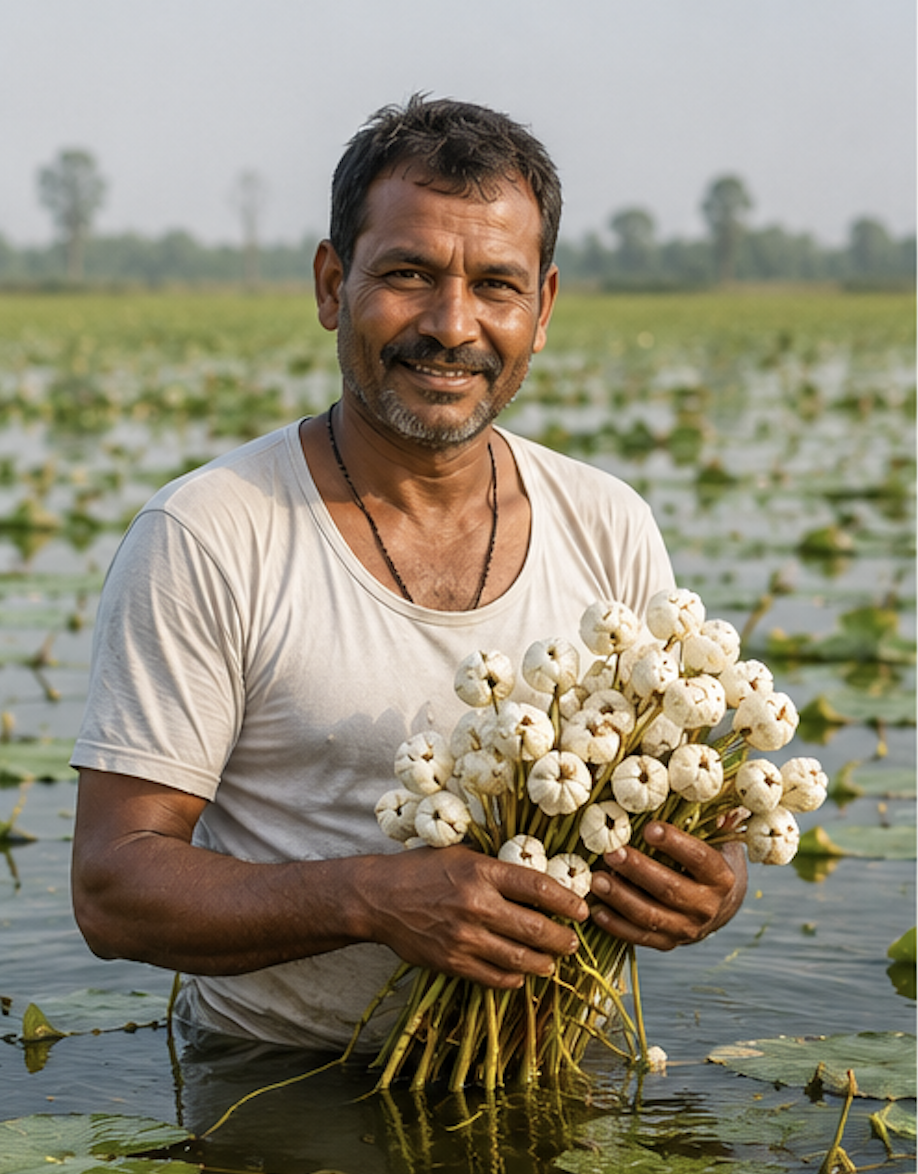
Makhana Farmer
Darbhanga, Bihar, Bihar
Rajesh has been cultivating Makhana in the wetlands of Darbhanga for over 18 years. His family has farmed these waters for three generations. Every monsoon, he wades into the chest-deep ponds to harvest fox nut seeds by hand — a skill that takes years to master. Rajesh takes immense pride in the quality of his produce and believes that the mineral-rich waters of his ponds give his Makhana a distinctive sweetness that cannot be replicated elsewhere. Working with Bharat Origin has given him access to fair prices and a direct connection to consumers who value authenticity.
“The water teaches you patience. Good Makhana cannot be rushed.”
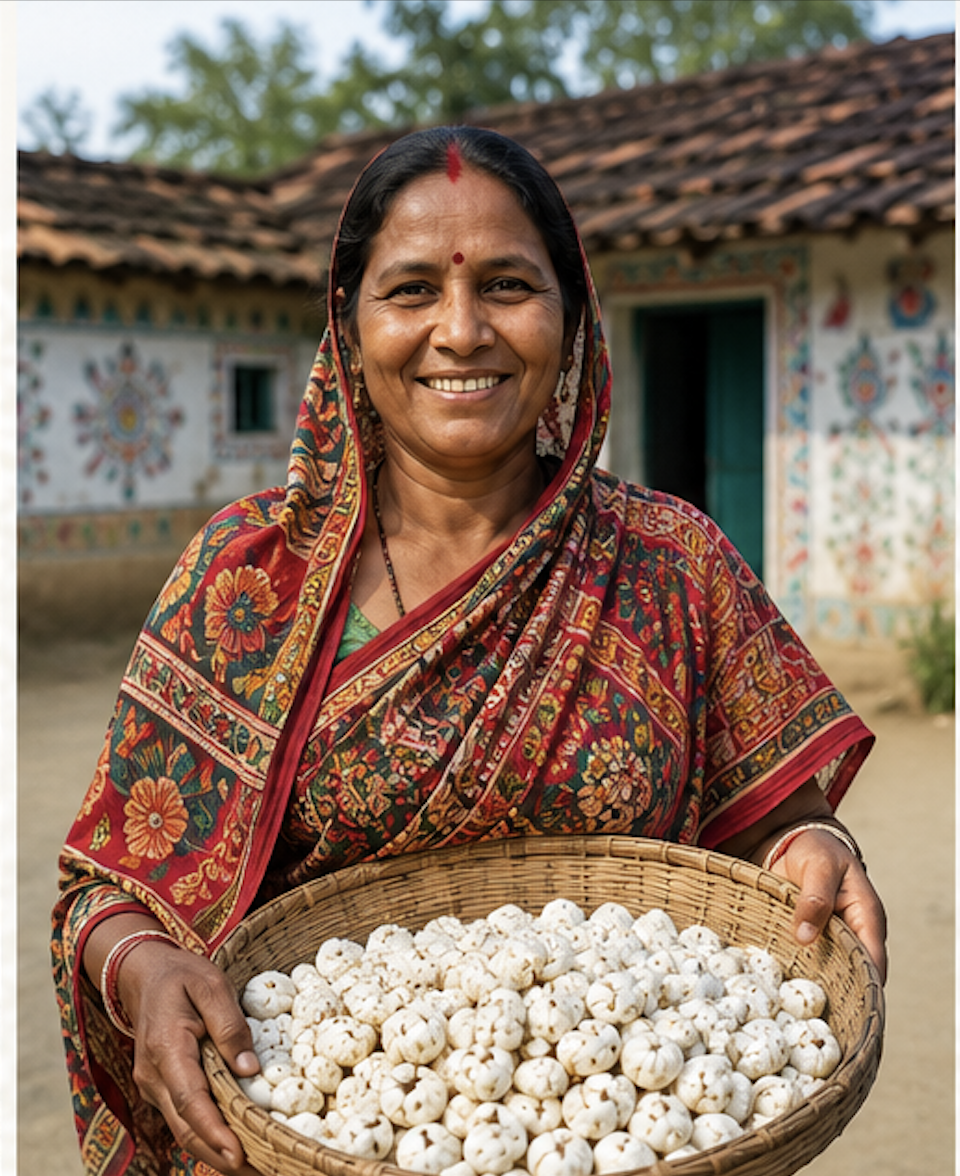
Makhana Farmer
Madhubani, Bihar, Bihar
Sunita is one of the few women leading Makhana farming operations in Bihar. After her husband passed away, she took over the family's Makhana ponds and turned them into one of the most productive operations in Madhubani district. She has trained over 20 women in her village in Makhana processing — from drying to grading — creating employment and self-reliance. Her dedication to quality is unmatched; she personally inspects every batch before it leaves her facility. Sunita's story is one of resilience, and every pack of Bharat Origin Makhana carries a piece of her determination.
“When women lead, the whole village prospers. Makhana gave us that strength.”
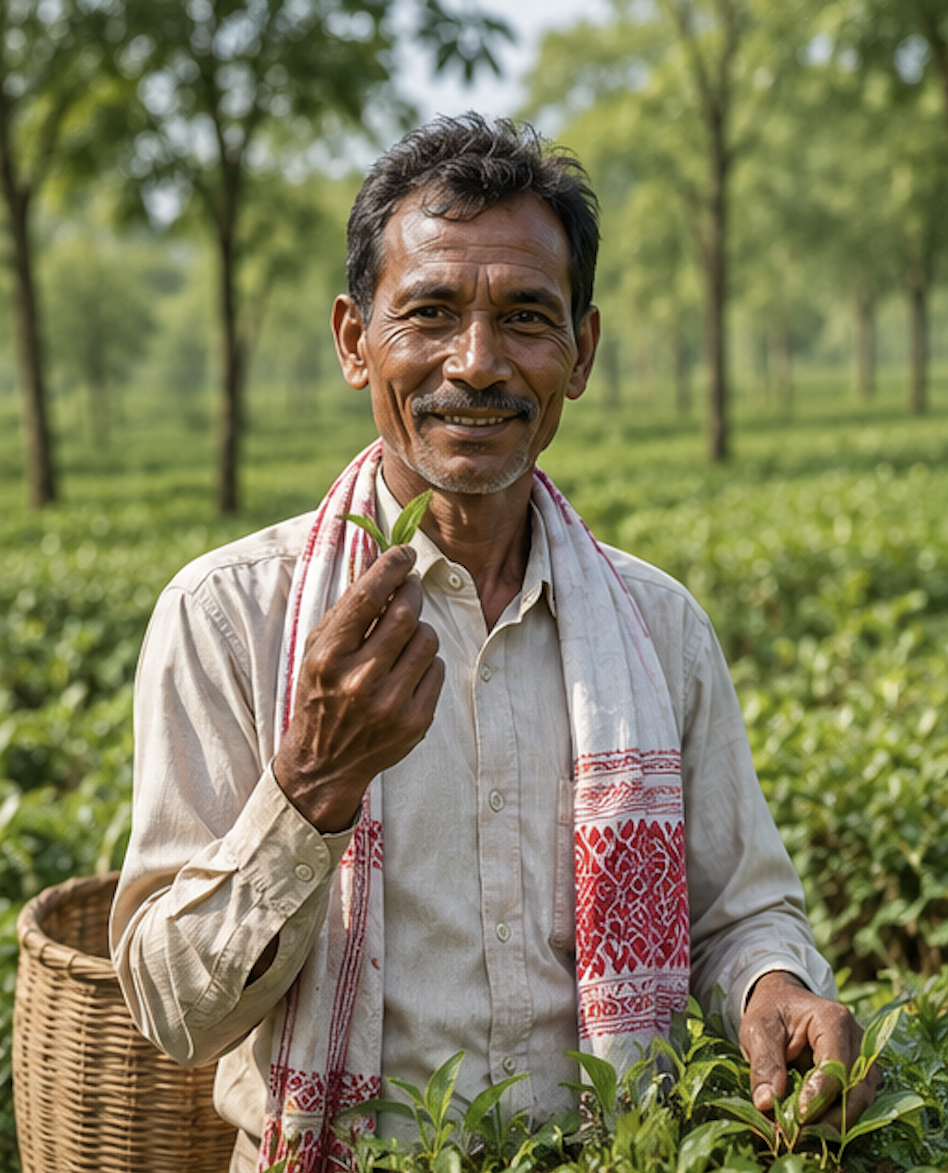
Tea Farmer
Dibrugarh, Assam, Assam
Bhupen's family has been growing tea in the fertile plains of Upper Assam for three generations. His 12-acre garden sits along the south bank of the Brahmaputra, where the river's seasonal flooding deposits nutrient-rich silt that makes the soil incredibly fertile. He follows a careful plucking schedule — only the top two leaves and a bud — ensuring that each batch of tea has the full-bodied, malty character that Assam is famous for. Bhupen has also adopted sustainable farming practices, reducing chemical inputs and promoting biodiversity on his estate. His tea regularly scores above 80 in professional tastings.
“A good cup of Assam tea starts with the right leaf, plucked at the right time.”